 Naxos Boat Tours
Naxos Boat Trips with Kids: Which Boats, Which Ages, What Works
Naxos boat trips with kids work better than on most islands - it is a family island with a family fleet, mostly. Two of the boats compared here exclude under-16s in writing, the full-day runs are stamina questions rather than rule questions, and the two-hour cave trip is the review-verified family favourite. This guide matches ages to boats and packs the day so it ends with sleeping children, not sulking ones; the full fleet sits in Naxos boat trips at a glance.
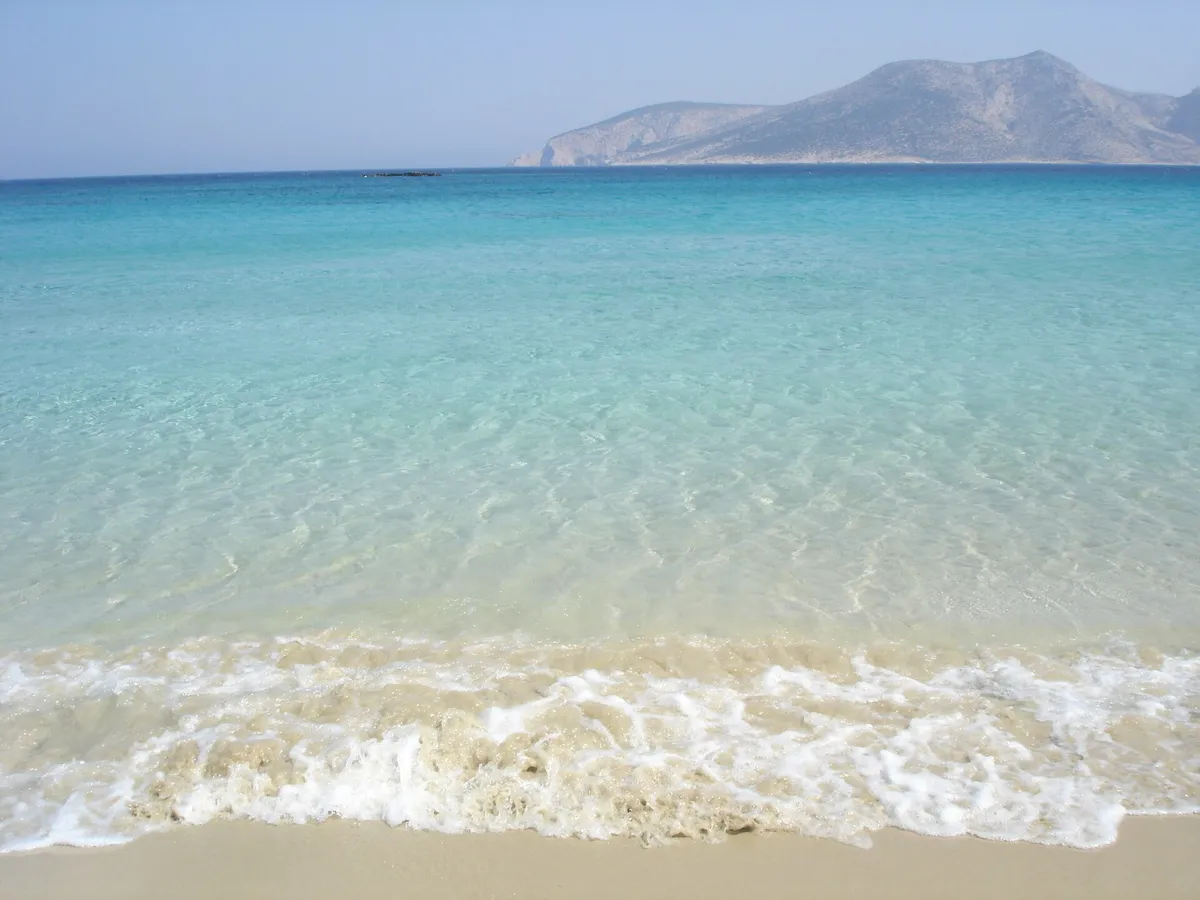
The payoff the boats run for: shallow, pale-water swimming that makes small swimmers feel like champions. Photo: Wikimedia Commons (public domain), attribution in caption.
Quick answer Which of the boats take kids, which two do not, and the trip that reviews call perfect for five-year-olds
Most Naxos boat trips carry no stated age minimum: the Koufonisia + Rina flagship, the Jason Daily Cruise day, the Schinoussa-Iraklia sail and the all-inclusive catamaran all welcome families, and life jackets plus swim aids ride on board. Two listings exclude children in writing: the nine-guest Jeanneau and the sunset champagne sail - both 16-plus. The family sweet spot is the two-hour Panermos cave trip, from $33: reviews describe kids as young as five aboard, a captain who softens windy rides, two swim stops and free photos - checked September 2026.
Key takeaways
- Under-6s or first boat trip: the Panermos cave run - two hours, calm water, wine for the adults, photos for the group chat.
- Confident 6-12s: the full-day Koufonisia cruise - islands, cave, BBQ; bring the dry layer and the snacks.
- Teenagers who swim: everything opens up - the catamarans, the sailing days; the 16-plus sunset sail becomes the highlight evening.
The Age Rules Across the full listing set
The rules, read from each listing in September 2026 - the first column is what the platform enforces, the second is what the deck reality adds:
| Boat | Stated age rule | What it means for families |
|---|---|---|
| Koufonisia + Rina cruise | None stated | All ages ride; the 9.5-hour day is the real filter for under-8s |
| Koufonissia BBQ day | None stated | Family-tempo boat; unlimited soft drinks earn their clause |
| Schinoussa + Iraklia sail | None stated; non-swimmers excluded | Confident young swimmers only - the wreck stop is deep water |
| All-inclusive catamaran | None stated | Stability, towels, snacks - the comfort-tier family pick |
| Lagoon 450F catamaran | None stated | Roomy decks absorb kids; no hotel pickup, plan the transfer |
| Jeanneau small group | 16-plus (in writing) | Adults-only by design; teens 16+ count as guests, not kids |
| Sunset champagne sail | 16-plus (in writing) | The date-night boat; families book the day slots instead |
| Panermos Rina Cave trip | None stated | Reviews: kids as young as five; swim aids carried; 2 hours |
| Delos + Mykonos day | None stated | Boat takes all; the ruins-and-hours suit 8+ history tolerances |
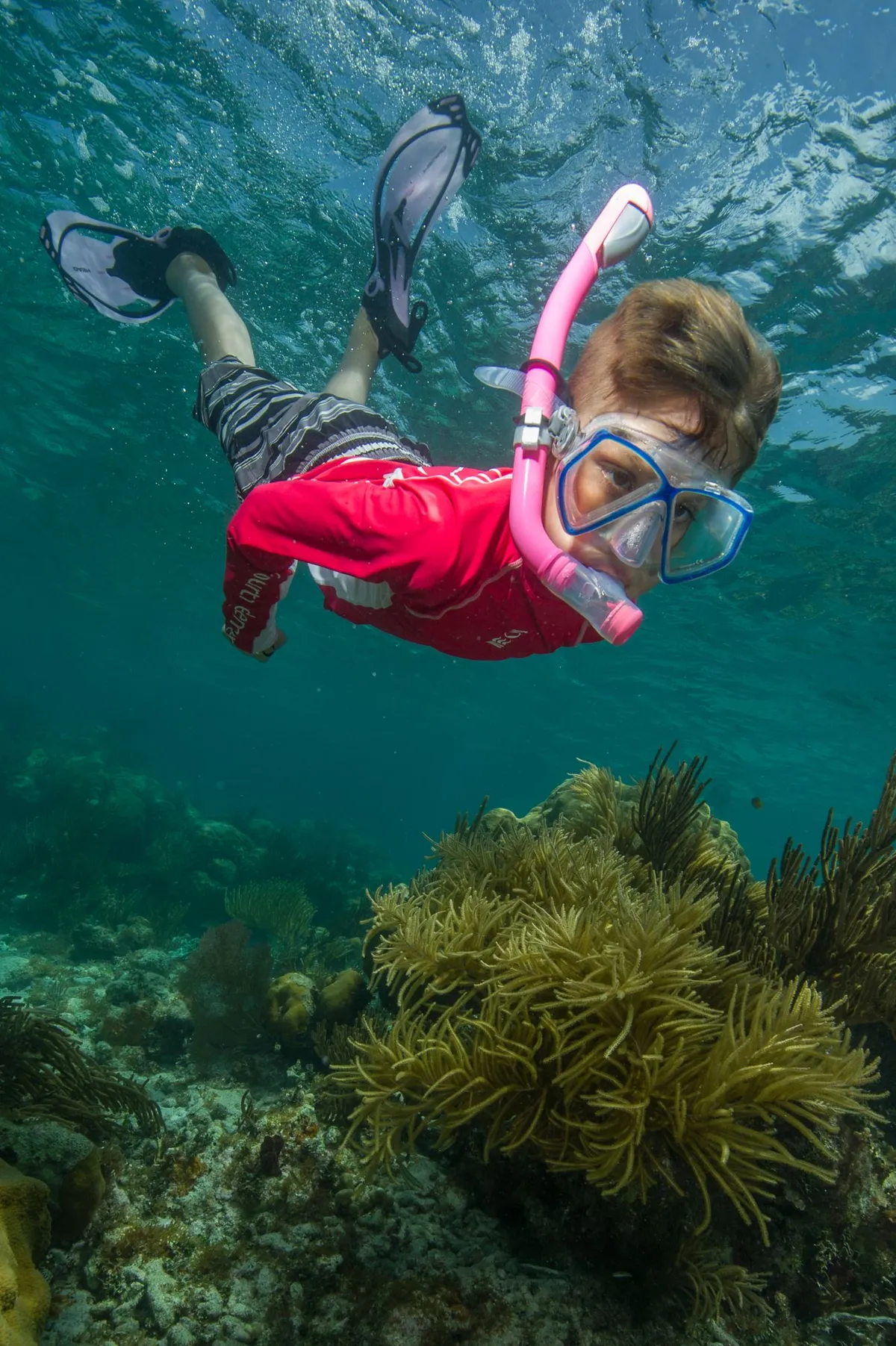
The skills that transfer anywhere: a young snorkeller in fins and mask over a reef. Calm Cycladic bays are the kindest classrooms there are. Photo: Wikimedia Commons (public domain), attribution in caption.
The Short Day: the Panermos Cave Trip for Families
One listing earns its own family section, because the reviews read like a parents' forum: the two-hour traditional-boat trip from Panermos to the Rina Cave.
Why it works for small children: two hours total (attention spans apply), calm bay boarding with no big-port chaos, a five-minute hop to the cave (no long crossing to quease through), swim aids carried for weaker swimmers, a second calm-bay stop, and - the reviews' favourite clause - the captain's gentle-ride handling on windy days. Families describe five-year-olds in the water at the cave mouth and wine for the adults at the end, which is the correct division of labour.
The logistics honest bit: Panermos is a half-hour drive from Naxos town - a rental car or taxi, no bus. The bay's palm beach and taverna make the pre/post hours easy, and the morning slots leave the whole afternoon for the beach the boat leaves you on.
Book the first window of the day: flattest cave water, coolest deck, and the nap that follows lunch is the day's second activity.
The Full Day with Kids: What Works
Taking under-tens on a nine-and-a-half-hour boat is a planning exercise, not an ordeal - the successful family days share a pattern:
Pick the boat by deck culture. The wooden flagship gives kids room to explore a real caicque and a BBQ that lands at their hunger hour; the Jason Daily Cruise day adds unlimited soft drinks and an island cafe stop; the all-inclusive catamaran removes the logistics entirely with hotel pickup and towels aboard.
Claim your deck real estate early. Shade amidships, rail seats for the crossing, and a base the kids can find blind. Boarding-time discipline is the whole game.
Feed the schedule, not the whine. Breakfast before the 8:30 check-in, snacks for the 11:00 swim, and the on-board lunch as given. The melt-down hour is the 15:00 return leg - a dry layer and a held snack fix most of it.
Water discipline: life jackets for under-10s at every open rail, swim vests for non-confident swimmers at the stops (the boats carry them), and one adult's eyes per child at the cave and the islands - the water is deep off the ladder everywhere.
The honest age line: the boats take all ages; the 9.5-hour day takes 6-plus comfortably, 4-5-year-olds on their best behaviour, and under-fours by parental stamina rather than listing policy.
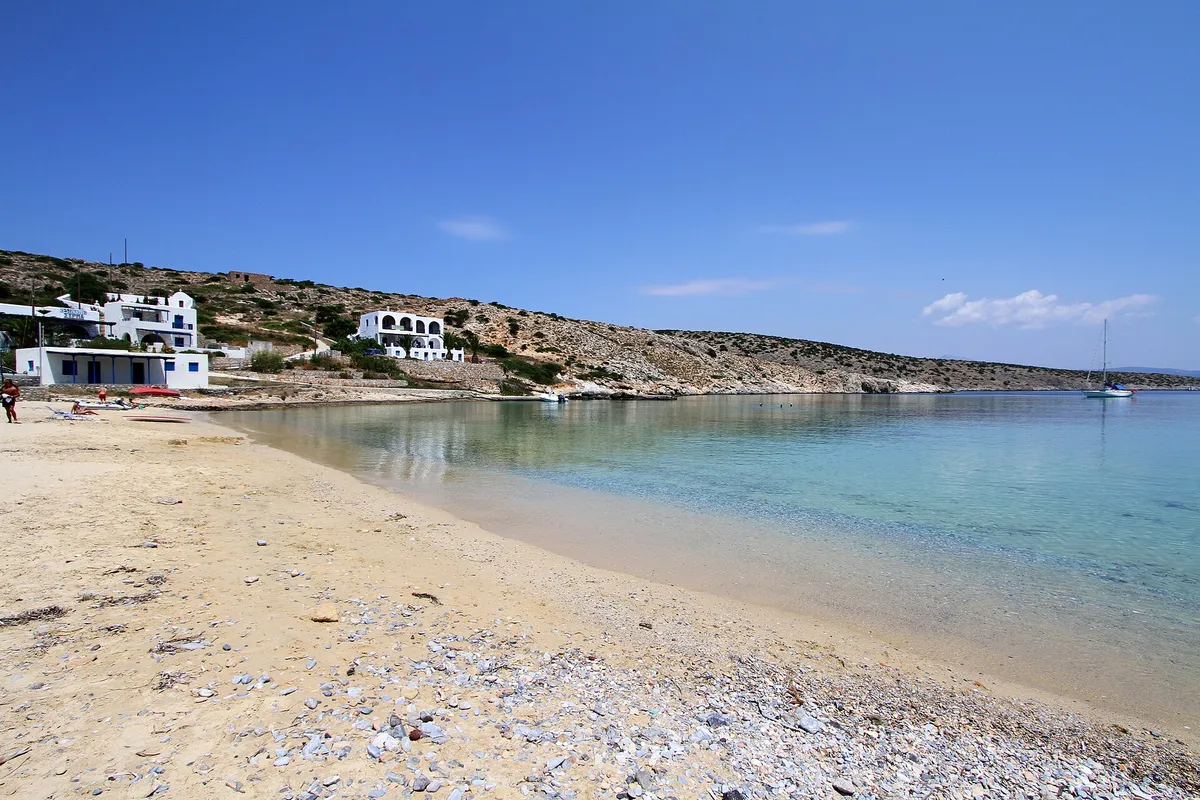
Agios Georgios bay on Iraklia - the kind of sheltered, shallow water the family days anchor in. Photo: Wikimedia Commons (CC BY-SA), attribution in caption.
Sea Sickness, Swim Aids and Safety
The three health-and-safety topics that decide a family boat day:
Motion sickness is the day's most common failure, and it is preventable: tablets (age-appropriate) before boarding, not after the first swell; aft-midship seating where the pitch is kindest; horizon-fixing games rather than screen-staring; and the honest option - the two-hour trips simply remove most of the exposure. Kids who have never boated get their trial on the short run, not the long one.
Swim aids and jackets: the compared boats carry life jackets and the family-focused listings carry swimming aids - use them without embarrassment. The Cycladic swim stop is deep-water: ladder in, ladder out, no shallows to stand up in except at the island beaches. Non-swimming children have perfectly good days as deck passengers; the caves and coves reward eyes as much as arms.
Sun and water discipline: the Aegean sun burns through what feels like cloud, hats stay on with straps, and the one-adult-one-child rule holds at every stop. Crews are vigilant and counting heads - but the crew counts passengers, not your family's interpersonal geography.
And the boring one that saves days: dry-bagged spare clothes per child. The 17:00 return in wet swimwear with wind behind the boat is the trip's only reliably miserable quarter-hour.
What to Pack for Kids on Deck
The family packing list is the standard boat list with the volumes doubled and the luxuries cut:
- Swimwear worn under clothes - two sets if the day is long; wet swimwear plus wind is the complaint engine. - Rash vests or UV tops rather than sunscreen alone for shoulders and backs - the deck hours are long and the reapplication wars are real. - Strap-attached hats for every head under twelve; the Aegean's wind collects unstrapped hats as a toll. - Snacks beyond the boat's service - the unsalted-cracker class, for the queasy hour and the swimming gap. - A dry bag with spare clothes per child, plus the small towel each. - Cash for the island gelato economy - Koufonisia's cafes run on pocket money. - One low-tech toy (cards, a waterproof book) for the return leg; screens and salt spray do not mix.
Leave home: drones (banned on shared boats), inflatable pool toys (unwelcome at swim stops), and the family's entire bathroom - the boats have heads, the islands have tavernas.
How the day is supposed to end: a family on the sand at dusk, salt-haired and done. Photo: Wikimedia Commons (CC BY-SA), attribution in caption.
Rainy-Wind Backup Plans
The meltemi will win a day of every windy-week holiday; the families who planned the swap keep the trip. The backup menu, in order of painlessness:
Move the boat day. The 24-hour free-cancellation window on every listing is the whole tool: watch the 48-hour forecast, slide the booking, spend the windy day on the land menu.
Swap long for short. The two-hour cave trip re-runs through weather windows that sink nine-hour plans; a substituted short trip keeps the magic alive for small passengers.
The land day that feels like a boat day: the Portara at the harbour for the wind-and-waves show (from a safe distance), the town's old-market lanes, a taverna lunch with a harbour view, and the ice-cream tax.
The pool day without shame. Windy-day decks with small children are not character-building; they are seal-bark marketing for the catamaran industry. The hotel pool plus a long lunch beats a white-knuckle crossing every time.
The pattern underneath: the boat day is movable; the holiday is not - book like the wind is a participant, and it mostly behaves like one.
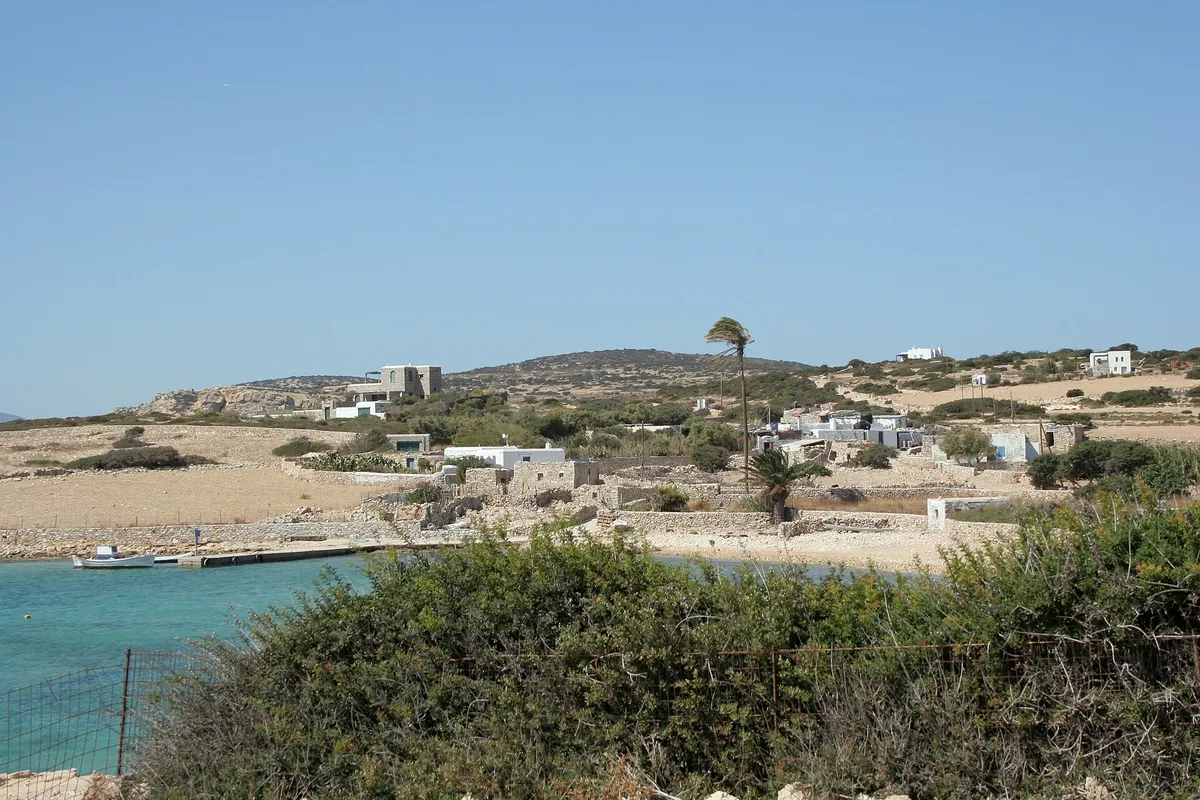
Kato Koufonisi across calm water - the island stop that makes small swimmers feel like explorers. Photo: Wikimedia Commons (CC BY-SA), attribution in caption.
The First Boat Trip: a Field Manual for Nervous Parents
Every family has one child for whom the boat day is a question mark. The field manual from the reviews' parents:
Trial on the short format. The two-hour Panermos run is the island's built-in trial: short crossing, calm water, aid gear aboard, and a beach at both ends of the hour. A child who loves it will love everything; a child who hates it has cost the family two hours and $33.
Tablets before, not during. The sea-sickness medicine works when it is already aboard the bloodstream; give the dose at breakfast with food. Screens make motion sickness worse - the horizon game (find the boat, find the bird, find the next island) is the reviews' consistent winner.
Claim the deck's middle. Amidships, low, near the crew: the ride is gentlest, the supervision is closest, and the ladder is a walk not an expedition.
The exit script. Agree the plan for 'I feel sick' before boarding - where to sit, who to tell, what happens next. Children calibrate to the plan; the panic is the adults', and the crew has seen every version.
And the note the successful parents add: the first swim cures the first hour. Book the morning; the water does the onboarding.
Teenagers on Boats: the 16-Plus Advantage
The two 16-plus listings are a family-travel loophole hiding in plain sight:
With 16-17-year-olds, the 'adult' doors open: the Jeanneau sailing day takes them as full guests - real sailing, real swim stops, the deck's adult calm - and the sunset champagne sail becomes the family evening that teenagers do not publicly enjoy but privately remember.
The snorkel-fluent teen gets the most from the Schinoussa-Iraklia day's wreck stop - deep open water, a real aircraft silhouette, the kind of snorkelling story that survives the group chat.
The workhorse days still fit: the Koufonisia flagship with friends-in-tow, the catamaran's WiFi for the half-day worker.
The pattern: teenagers are the age group the comparison's premium seats were quietly designed for - book accordingly, and let them invite the friend. The friend's ticket is the cheapest family-harmony purchase on the island.
What the Crews Wish Families Knew
Synthesised from review replies and the listings' own small print, the crews' standing wishes:
Arrive ten minutes early, fed and sunscreened. Boarding is the day's choke point; the crew's first impression of your family sets the level of flexibility it will show you by 14:00.
Trust the ladder rules absolutely. One at a time, no swimming under it, children handed down to a parent in the water - the rules look fussy and they are the difference between a swim stop and an incident.
Tell the crew about the peanut allergy, the non-swimmer, the birthday. The listing's message thread is read before the day; the crews route their attention by it - and the birthday file names the review sections.
The heads are not changing rooms. The towel-huddle at the stern is the system; teach it on stop one.
And the one that makes crews volunteer the extra cove: children who say kalimera and efharisto. The Aegean's crews are famously soft for polite kids - the reviews describe upgraded swim stops with suspicious regularity.
The Grandparent-Friendly Boat Day
Three-generation days are a Cycladic institution, and the fleet supports them better than the listings' adventure language suggests:
Boarding ease first. The Agia Anna quay and the catamaran pontoons are both quay-step boarding - no wobbly dinghy transfers anywhere in the compared fleet. The crew's hands at the elbow are standard service, not favours.
Seating politics. Claim shade amidships for the eldest, trampoline-edge for the teenagers, and accept the trade: the boat's best seats are the ones nobody has to climb to.
The swim-stop alternatives. Every boat's stops have a dry option - the deck, the shade, the book. Non-swimming grandparents have excellent days on the flagship and the catamaran; the Schinoussa sail is the one listing whose deep-water stops give dry passengers less.
The pace that works: the two-boat-trip week - one short cave run for the whole family, one adult-only sail while the grandparents hold the beach - is the reviews' most-repeated multi-generation pattern, and the island's tavernas make the handoffs effortless.
And the small print that matters: mobility limits are named as exclusions only on the Jeanneau and sunset sail - the rest of the fleet boards at the quay like the ferry does.
Swim Aids, Jackets and the Flotation Line
The flotation question is the one parents ask most and listings answer least; the fleet's reality:
Life jackets for all are carried as standard - the platforms require it and the crews size them at boarding. Children wear them at open rails and weak swimmers at every stop, no negotiation needed or offered.
Swimming aids - the pool-noodle and vest class - ride on the family-oriented boats: the Panermos trip and the BBQ day carry them in reviewed numbers; the catamarans carry vests adequate to the purpose.
The deep-water fact families should plan around: the swim stops are off-the-ladder into water too deep to stand in - the islands' shallows are the exception, not the rule. Non-swimmers have good days as deck passengers with an aid-assisted float at the ladder; the listings that promise less than that (the Schinoussa sail) say so in their exclusions.
Bring your own if the child is particular: a well-fitting vest from home beats a general-purpose loaner, packs flat, and ends the fit debate before it starts. The crews appreciate it; the child will not notice, which is the point.
Questions from Parents
Which Greek island is best for families with kids?
Naxos makes a strong case: a walkable harbour town, a long shallow-sand west coast, mountain villages for the non-beach days, How many days in Naxos is enough with kids? Three to five: a boat day, a beach day, a villages day, and slack for the meltemi. The boat fleet's family tier runs from a two-hour cave trip to a catamaran with towels aboard. Crete and Rhodes offer more theme-park infrastructure; Naxos offers more beach-per-euro and shorter boat days.
What are some fun things to do in Naxos with kids?
Beyond the boat day: the Portara sunset walk (flat, famous, wind-dramatic), the Kouros statues lying in their ancient quarries like abandoned giants, the egg-shaped village of Halki's citron distillery visits, and the west-coast beach line where the water stays ankle-deep for a hundred metres. One boat day plus those fills a week.
Can a 5-year-old come on a Naxos boat trip?
Yes - no compared listing states a minimum age except the two 16-plus boats, and the Panermos cave trip's reviews describe five-year-olds in the water with swim aids and a captain who softens the ride. For the 9.5-hour days, five is parental-stamina territory: pack the snacks and claim the shade.
Are the boat trips safe for non-swimming children?
As deck passengers, yes - life jackets at open rails, crews that count heads, and islands where the water shallows at the beach edge. The deep-water swim stops (the cave, the coves) are swimmers' territory; non-swimmers enjoy them from the ladder with aids or from the deck with an ice cream. The Schinoussa-Iraklia listing is the one that names non-swimmers as excluded - book around it.
Do the boats provide life jackets for children?
Yes - jackets for all ages are standard carriage and the crews size them at boarding; the family-oriented boats carry swimming aids (noodles, vests) beyond the legal minimum. A well-fitting vest from home packs flat and ends the fit debate, which is what most experienced parents bring.
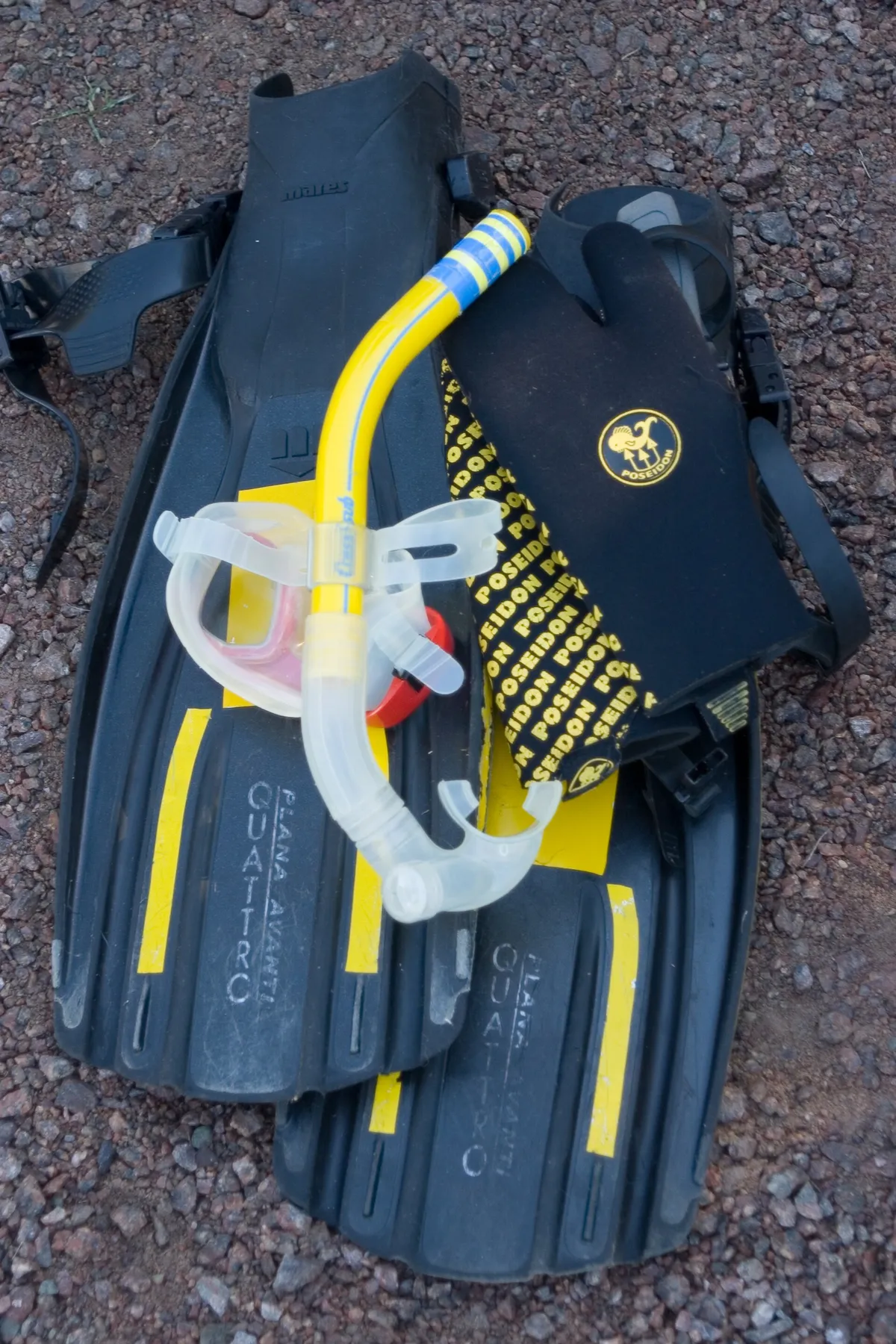
Kit sized down and laid out the night before - the family morning's quiet superpower. Photo: Wikimedia Commons (CC BY 2.0), attribution in caption.